What Is Precision Medicine? How Personalised Healthcare Works

By Dr. Ande Sriman, M.B.B.S., M.D., Fellowship in Diabetes Mellitus
Consultant Physician and Panel Member of Medicine and Science, 150.fit
(A physician’s perspective on how individual biology can add greater context to prevention and treatment.)
Why Healthcare Cannot Rely on Population Averages Alone
Clinical guidelines are built from evidence gathered across large groups of people. They are essential to modern medicine, but the response seen across a population does not necessarily predict exactly how one individual will respond.
People with the same diagnosis can have different genetic backgrounds, lifestyles, environmental exposures and metabolic profiles. They may also respond differently to the same medication or intervention.
Precision medicine adds another layer to clinical decision-making by asking a more individual question:
What does this person’s biology tell us about their risks, responses and treatment options?
Rather than replacing evidence-based medicine, precision medicine aims to make that evidence more relevant to the individual.
What Is Precision Medicine?
Precision medicine is an approach to healthcare that incorporates differences in genetics, environment and lifestyle when considering disease prevention and treatment. This definition is consistent with how major health authorities describe the field.
Instead of looking only at a diagnosis, clinicians may bring together different types of health information to develop a more detailed picture of the person behind it.
When used alongside preventive and longevity medicine, this approach can also focus on healthspan — maintaining good physical, metabolic and cognitive function for as long as possible.
The Four Pillars of Personalised Care
How does medical management fundamentally change in a precision health framework? It centers on four data layers:
Genomics & Pharmacogenomics (PGx)
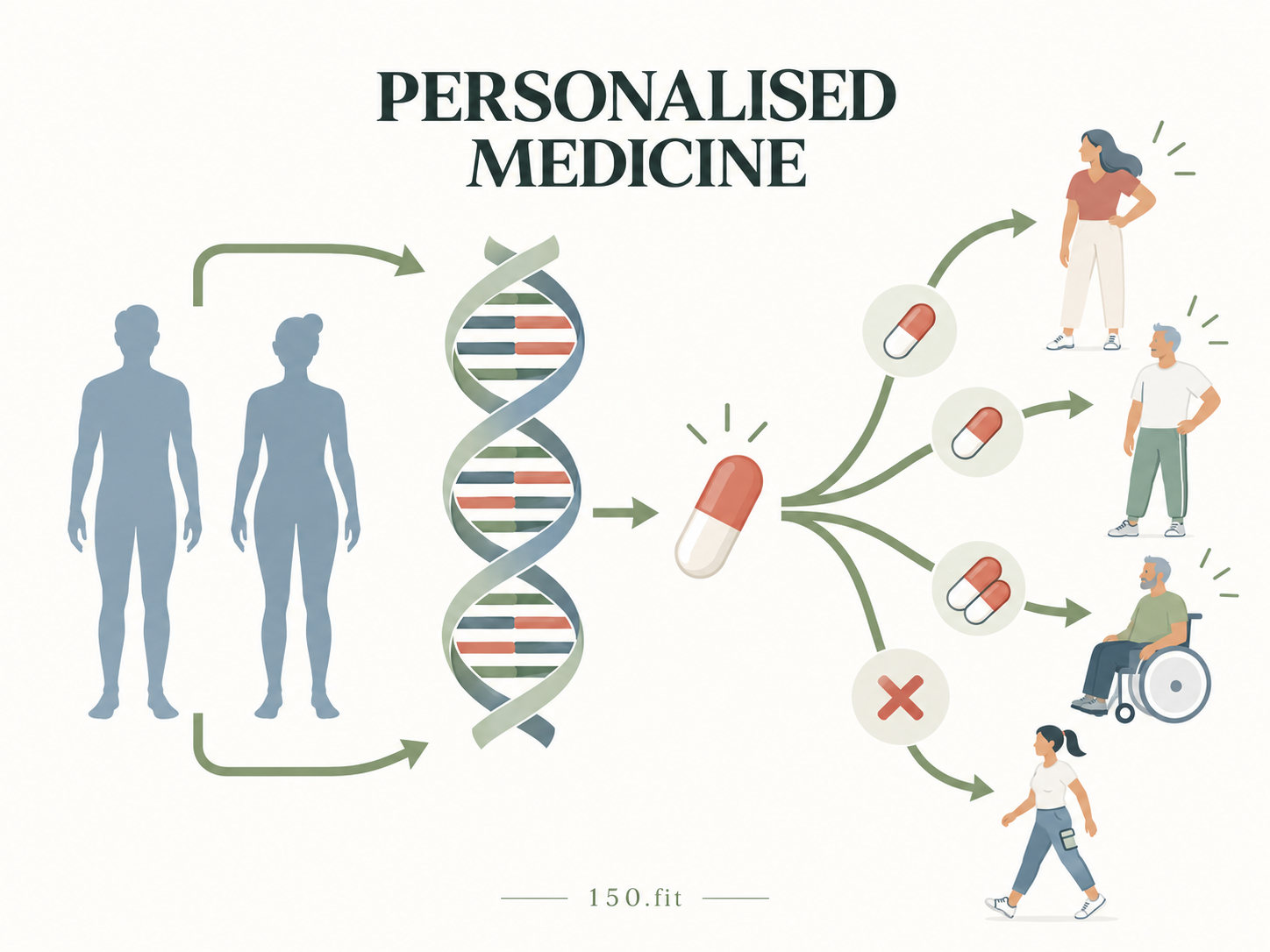
Genomic information can provide insight into inherited susceptibility to certain diseases. Pharmacogenomics, or PGx, looks specifically at how genetic variation affects a person's response to certain medicines. For selected drugs, this information can help clinicians understand differences in drug metabolism, treatment response or risk of adverse effects. Pharmacogenomics is an established component of precision medicine. Variants involving enzymes such as those in the CYP450 family, for example, can influence how certain medicines are processed in the body.
Another tool is the Polygenic Risk Score (PRS), which combines information from multiple genetic variants to estimate genetic susceptibility to particular health conditions. Importantly, genetic susceptibility is not the same as a diagnosis. Genetics needs to be interpreted alongside clinical history, lifestyle, environment and other risk factors.
Advanced Biomarker & Epigenetic Profiling
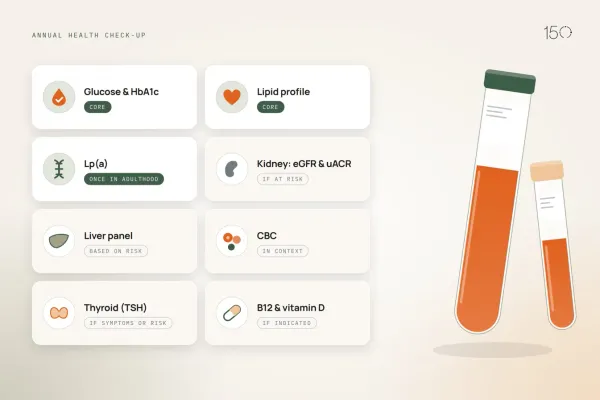
Routine investigations such as fasting glucose and cholesterol remain important.
Depending on the individual, additional biomarkers may provide further context about cardiovascular, metabolic and inflammatory health.
These can include:
- Apolipoprotein B (ApoB)
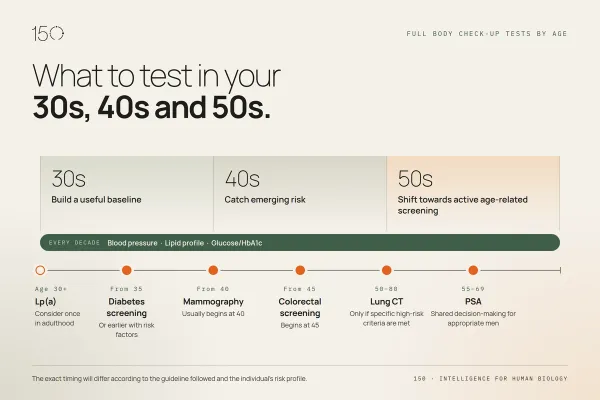
- Lipoprotein(a), or Lp(a)
- High-sensitivity C-reactive protein (hs-CRP)
- DNA methylation patterns studied in relation to biological ageing
The purpose is not to run more tests simply because they are available. It is to identify measurements that can meaningfully contribute to clinical decision-making.
Gut Microbiome Profiling
The gut microbiome is the community of microorganisms living within the gastrointestinal tract.
Research is examining how differences in these microbial communities relate to areas such as metabolism, inflammation and nutrient processing.
Microbiome testing can add another layer of biological information, but the science is still developing. Results should therefore be considered alongside the broader clinical picture rather than interpreted as a standalone diagnosis.
Continuous Health Data
A conventional health check often captures what is happening at a single moment.
Wearables and digital health tools make it possible to observe certain physiological patterns over longer periods.
These may include:
- Continuous glucose monitoring
- Heart rate variability
- Sleep patterns
- Physical activity and exercise
- Recovery metrics
The value lies not simply in collecting more numbers, but in identifying patterns that may help clinicians understand how an individual responds to nutrition, exercise, stress, sleep and recovery.
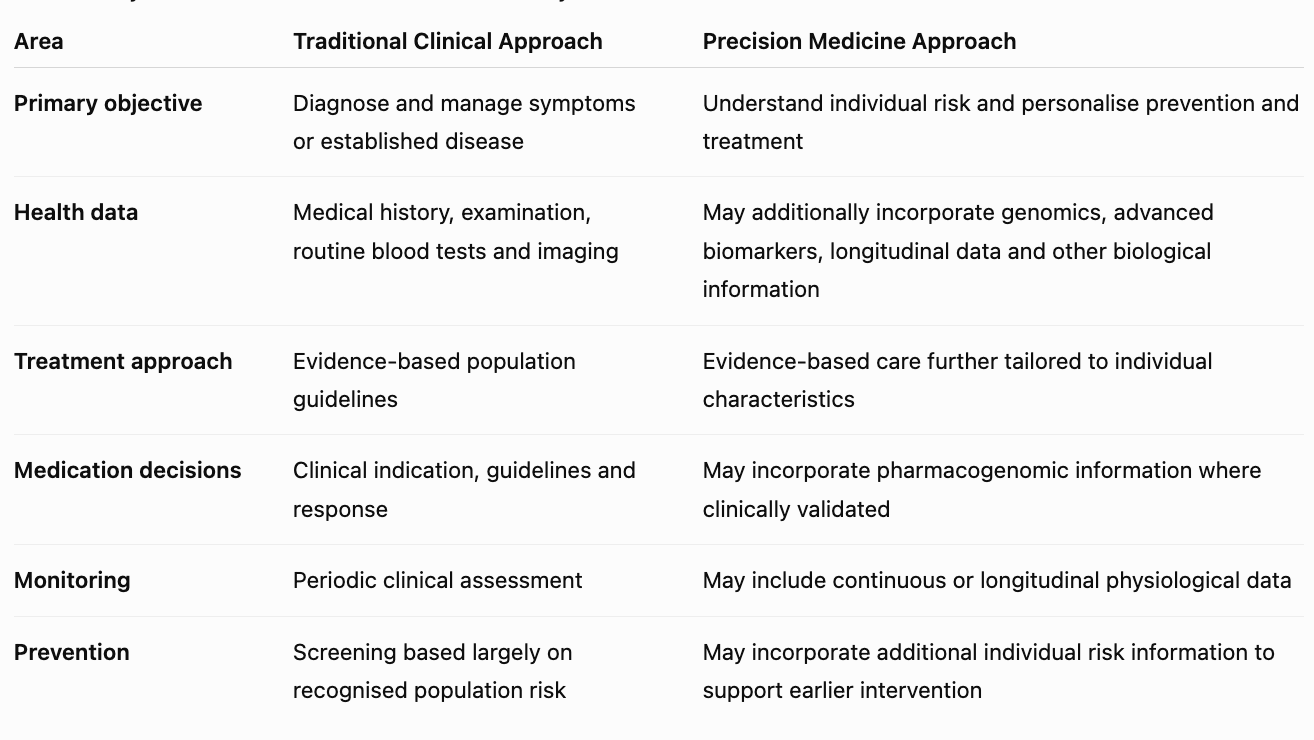
Precision Medicine vs Standard Medical Care
Precision medicine is not an alternative to conventional medicine.
It builds on established clinical evidence and adds relevant individual information where that information can improve decision-making.
Microbiome testing can add another layer of biological information, but the science is still developing. Results should therefore be considered alongside the broader clinical picture rather than interpreted as a standalone diagnosis.
Real-World Impact: Precision Medicine in Action
Pharmacogenomics analyses liver enzyme variants (such as the CYP450 enzyme family) to predict how an individual metabolizes medications before a prescription is written. This minimizes non-responsiveness and adverse drug reactions (ADRs).This can be applied for all the cases.
- Metabolic Health: Instead of waiting for HbA1c levels to cross the diagnostic threshold for Type 2 Diabetes (6.5%), real-time continuous glucose tracking and fasting insulin metrics capture early insulin resistance, enabling targeted lifestyle and pharmacological interventions
- Cardiology: Stratifying cardiovascular risk using Lp(a) testing and Coronary Artery Calcium (CAC) imaging allows clinicians to target atherogenic lipoproteins early using therapies like PCSK9 inhibitors decades before an adverse event occurs.
- Oncology: Cancer treatment led the transition toward precision care. Rather than treating tumors purely by anatomical location (e.g., "breast" or "lung"), molecular profiling identifies actionable mutations (e.g., EGFR, KRAS, or BRAF) to deploy targeted therapies designed for specific cellular pathways.
Not only these areas , precision medicine can be applied in many areas of therapy , particularly in preventive medicine and longevity.
Moving Precision Medicine Forward
Precision medicine represents a fundamental shift in medical practice: moving away from reacting to disease after tissue damage has occurred, toward mapping individual risk profiles and taking proactive control. By aligning medical decisions with unique genetic profiles, biological clocks, and continuous biomarker trends, clinicians can optimize both life extension and quality of life.
References & Further Reading
- National Institutes of Health (NIH): The Promise of Precision Medicine
- NIH All of Us Research Program: Building a Representative Precision Medicine Database
- U.S. Food and Drug Administration (FDA): Table of Pharmacogenomic Biomarkers in Drug Labeling
- Nature Medicine: Precision Health and Longevity Medicine: A Paradigm Shift in Healthcare
- The New England Journal of Medicine (NEJM): Pharmacogenomics — Guiding Care and Improving Patient Outcomes